

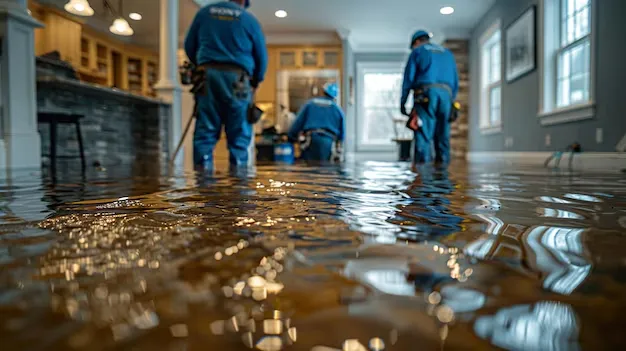
Water does not wait. The moment a pipe bursts, a basement floods, or a roof leak goes unnoticed, the damage clock starts ticking and every hour of delay multiplies the cost and the destruction. If you are searching for water damage restoration services in Parker, CO, you are likely dealing with a stressful, urgent situation right now. This guide will walk you through everything you need to know what happens during restoration, what to expect from professional teams, and why choosing the right company makes all the difference.
What Water Damage Actually Does to a Property
Most homeowners picture water damage as wet floors and ruined furniture. The reality is far more complicated. Water is deceptively destructive. It seeps into drywall within minutes, reaches wooden subfloors within the first hour, and begins promoting mold growth within 24 to 48 hours. By the time visible mold appears on a surface, it has already colonized the hidden layers behind it.
Structural damage follows quickly after prolonged exposure. Wood begins to swell, warp, and eventually rot. Concrete and masonry absorb moisture and weaken over time. Electrical systems and insulation absorb water silently and create fire hazards and energy inefficiency that are not immediately obvious to the untrained eye.
According to the Insurance Information Institute, water damage and freezing claims are among the most common homeowner insurance claims in the United States. The average claim costs over $11,000 and that figure rises sharply when restoration is delayed. Parker, CO homeowners are not exempt from this risk. With Colorado’s freeze-thaw cycles, seasonal storms, and older housing stock in established neighbourhoods, the conditions for water damage are present year-round.
The Categories of Water Damage You Should Understand
Not all water damage is equal. The restoration industry follows a classification system developed by the Institute of Inspection, Cleaning and Restoration Certification (IICRC), the gold-standard body for restoration professionals worldwide.
Category 1 water, often called “clean water,” originates from sanitary sources like a broken supply line or overflowing sink. It is the least hazardous but still capable of causing serious structural damage if left unaddressed. Category 2, or “gray water,” comes from sources like dishwasher overflows or washing machine leaks. It contains biological contaminants that can cause illness. Category 3, known as “black water,” is the most dangerous class — it includes sewage backups, flooding from rivers, and any water that has been standing long enough to accumulate bacteria, chemicals, and pathogens.
Knowing the category of water damage in your home matters because it determines the personal protective equipment a restoration crew needs, the disposal protocols for affected materials, and the level of sanitization required after drying is complete.
How Water Spreads Through a Structure
One of the most underappreciated aspects of best water damage restoration services is how far water travels from the original source. Capillary action pulls moisture horizontally and vertically through porous materials. A flooded basement can wick moisture into the first-floor subfloor. A leak behind a bathroom wall can spread to adjacent rooms through shared insulation cavities. Restoration professionals use thermal imaging cameras and moisture meters to map the true extent of the damage not just the visible surface which is why attempting a DIY approach often leaves hidden moisture that produces mold weeks later.
The Water Damage Restoration Process Explained Step by Step
A professional restoration company in Parker, CO does not simply show up with fans and call it done. The restoration process follows a structured, documented protocol designed to return your property to its pre-loss condition safely and completely.
Emergency Response and Damage Assessment
The first phase is emergency response. A qualified team arrives — ideally within hours of your call — to stop the source of water if it has not already been stopped, assess the scope of damage, and document everything with photographs and moisture readings. This documentation is not just good practice; it is essential for your insurance claim.
During assessment, technicians use tools like hygrometers to measure humidity, thermal cameras to detect moisture hidden in walls, and moisture meters to gauge saturation levels in floors and building materials. The findings determine the restoration plan, the equipment needed, and the estimated timeline.
Water Extraction and Structural Drying
Once the assessment is complete, the team begins extraction. Industrial-grade truck-mounted and portable extraction units remove standing water far more effectively than shop vacs or mops. Speed matters here. Every gallon of water left in a structure extends the drying timeline and increases the risk of secondary damage.
After extraction, the drying phase begins. This is where professional restoration separates itself from a simple cleanup. High-capacity air movers and commercial dehumidifiers are deployed in a calculated configuration based on the size of the space, the materials affected, and ambient conditions. Drying can take anywhere from three to five days depending on the extent of saturation, and technicians return daily to take moisture readings and adjust equipment placement. A structure is not considered dry when it feels dry — it is dry when moisture readings match the pre-loss baseline for the specific materials involved.
Mold Prevention and Remediation
Mold prevention is built into the professional restoration process from day one. Antimicrobial treatments are applied to affected surfaces during and after drying. If mold is already present which is possible when damage has gone undetected for days or weeks a separate remediation protocol is activated.
Mold remediation involves containment of the affected area to prevent cross-contamination, HEPA filtration of air in the work zone, careful removal and disposal of mold-colonized materials, and post-remediation testing to verify clearance. Cutting corners on mold remediation is not an option. Mold spores left behind will regenerate and colonize new areas, making a manageable problem into a significant health hazard.
Repairs, Reconstruction, and Final Restoration
After the structure is confirmed dry and clean, any damaged materials are repaired or replaced. Drywall sections may need to be cut out and replaced. Flooring may need to be pulled and reinstalled. Insulation that absorbed moisture is removed and new insulation is installed. In more severe cases, structural elements like floor joists or wall framing may require professional carpentry work.
A full-service restoration company handles this entire spectrum from the emergency water extraction on day one to the final coat of paint on a replaced drywall section. This is a critical advantage because it means one point of contact, one coordinated project timeline, and one comprehensive claim for your insurance company.
Why Parker, CO Has Unique Water Damage Risks
Parker is a growing, vibrant community in Douglas County. Its rapid development over the past two decades means the city has a wide range of housing ages from older ranch-style homes with aging plumbing to newer construction that may have installation defects that take years to surface. Both present distinct water damage risks.
Colorado’s climate amplifies those risks. The state experiences genuine freeze-thaw cycles every winter. Pipes in exterior walls, crawlspaces, and uninsulated garages are particularly vulnerable to freezing and bursting. Parker sits at roughly 5,869 feet in elevation, and the altitude combined with dry winters creates conditions where pipes can freeze even in homes that feel adequately heated.
Spring snowmelt and summer thunderstorms add another risk dimension. Colorado’s Front Range is known for intense, fast-moving storms that dump large amounts of rain in short periods. Drainage systems that work fine under normal conditions can be overwhelmed, causing basement flooding, crawlspace saturation, and surface water intrusion around foundations.
Common Sources of Water Damage Parker Homeowners Face
Burst pipes following a hard freeze are the most dramatic and costly source of water damage in the Denver metro area, including Parker. A single burst pipe can release hundreds of gallons of water in the time it takes a homeowner to locate the shutoff valve. Appliance failures are another significant source water heaters, washing machines, refrigerators with ice makers, and dishwashers all have hoses and connections that can fail without warning. Roof leaks, particularly after hail storms which Parker experiences regularly, allow water to enter attic spaces and travel along rafters before appearing as a ceiling stain in a completely different room from the entry point.
What to Look for in a Water Damage Restoration Company in Parker
Choosing a restoration company in a moment of crisis is stressful. You are dealing with a damaged home, possible displacement, and the pressure of an insurance claim all at once. Knowing what distinguishes a qualified, trustworthy restoration company from a cut-rate operator will help you make a clear-headed decision.
IICRC Certification and Licensing
The IICRC’s Water Damage Restoration Technician (WRT) certification is the industry benchmark. It means a technician has been formally trained in water damage science, drying principles, and restoration protocols. Ask any company you consider whether their technicians hold current IICRC certifications. A company that is vague on this point is telling you something important.
Colorado requires restoration contractors to hold appropriate state licensing. Verify this before any work begins. A reputable company will have no hesitation sharing their license numbers and proof of insurance.
Experience with Insurance Claims
Water damage restoration almost always involves an insurance claim. Working with a company that has extensive experience navigating the claims process documenting damage, communicating with adjusters, and providing the detailed scope of work that insurers require saves you enormous time and stress. Ask directly: how do you work with insurance companies? Do you communicate with my adjuster on my behalf?
24/7 Emergency Availability
Water damage does not happen on a convenient schedule. A burst pipe at 2 AM on a Saturday night is just as devastating as one at noon on a Tuesday. A restoration company that offers genuine 24/7 emergency response is not a luxury it is a necessity. Every additional hour before extraction begins is an hour of additional damage.
Working With Your Insurance Company After Water Damage
Homeowners often feel uncertain about what their policy covers when water damage occurs. General homeowner’s insurance policies typically cover sudden and accidental water damage a burst pipe, an appliance failure, or a storm-driven roof leak. They typically do not cover gradual leaks that the homeowner should have noticed and repaired, or flooding from external water sources, which requires separate flood insurance.
The distinction between “sudden and accidental” and “gradual damage” is where many claims become contested. This is another reason to choose a restoration company with documentation experience. Thorough, professional damage documentation — moisture readings, photographs, written reports strengthens your claim and gives your adjuster the evidence they need to process it fairly.
Document everything yourself as well. Take photos and video of the damage before any cleanup begins. Save any damaged personal property until your adjuster has had the opportunity to inspect or inventory it. Keep receipts for any emergency expenses like temporary housing.
Conclusion
When water damage strikes in Parker, CO, Viking Restoration is the team Parker homeowners call. With fully certified IICRC technicians, industrial-grade extraction and drying equipment, and a proven track record of guiding clients through the entire restoration process from emergency response to final repairs, Viking Restoration brings genuine expertise and accountability to every project.
What sets Viking Restoration apart is not just the equipment or the certifications it is the commitment to treating every home like it matters. The team communicates clearly, documents thoroughly, and works directly with insurance adjusters so homeowners are not left navigating a complicated claims process alone. Whether you are dealing with a burst pipe, a flooded basement, storm-related roof damage, or a slow leak that has been doing silent damage for weeks, Viking Restoration responds fast, works methodically, and does not cut corners.
Parker homeowners deserve a restoration partner they can trust in the worst moments. Viking Restoration is that partner.
Frequently Asked Questions
How quickly should I call a restoration company after water damage occurs?
Call immediately ideally within the first hour. The first 24 hours are critical. Water spreads rapidly through porous materials, and mold can begin developing within 24 to 48 hours of initial exposure. Faster response means less structural damage, shorter drying times, and a smaller overall restoration bill.
Will my homeowner’s insurance cover water damage restoration?
Most standard homeowner’s policies cover sudden and accidental water damage such as burst pipes, appliance failures, and storm-related roof leaks. They generally do not cover flooding from external sources or damage from slow, gradual leaks. Your restoration company can help document the damage in a way that supports your claim.
How long does the water damage restoration process take?
It depends on the extent of the damage. Structural drying typically takes three to five days. If mold remediation is required, that adds additional time. Full reconstruction replacing drywall, flooring, and other damaged materials can extend the timeline by one to several weeks depending on scope.
Is it safe to stay in my home during water damage restoration?
For minor water damage confined to one area, it may be safe to remain in the home. For widespread damage, Category 2 or Category 3 water contamination, or any situation involving mold, temporary relocation is strongly advisable. Your restoration team will give you an honest assessment based on the specific conditions in your home.
Can I handle water damage cleanup myself?
For very minor spills, yes. For anything involving structural penetration, Category 2 or 3 water, suspected mold, or any damage that affects walls, subfloors, or ceilings, professional restoration is the right call. Hidden moisture left behind by incomplete DIY drying is one of the leading causes of mold infestations in homes.
What is the difference between water mitigation and water restoration?
Water mitigation refers to the emergency phase — stopping the damage from getting worse through extraction, drying, and moisture control. Restoration refers to the full process of returning the property to its pre-loss condition, including repairs and reconstruction. A full-service company like Viking Restoration handles both under one roof.
Does water damage always lead to mold?
Not always. If water is extracted quickly and the structure is thoroughly dried within 24 to 48 hours, mold growth can often be prevented. This is why rapid professional response matters so much. Once mold is established, it requires a separate and more intensive remediation process.