

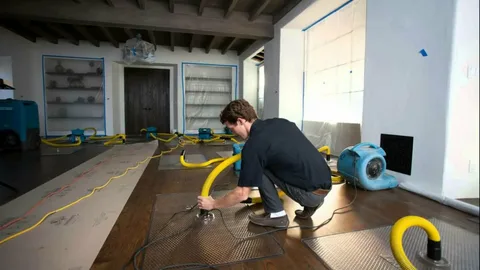
Learn about Professional Emergency Water Removal in Littleton, CO. Get the Best Emergency water removal Services in Littleton, CO, plus costs and expert tips.
Residents living near the South Platte River or Hudson Gardens often face sudden property challenges due to rapid snowmelt or heavy seasonal rains. Seeking Professional Emergency Water Removal in Littleton, CO immediately is the most effective way to prevent long-term structural decay and mold growth. Viking Restoration provides these specialized recovery solutions, focusing on high-speed extraction and drying techniques that protect your property.
Does your basement have standing water after a heavy downpour from the Rockies? Many houses in the area feature finished lower levels that are highly susceptible to moisture infiltration during seasonal weather shifts. We believe a successful recovery should combine immediate action with detailed moisture mapping to find hidden pockets of dampness. Our team manages every technical stage to return your living space to a safe state.
According to the Federal Emergency Management Agency (2024), even a few inches of water can cause thousands of dollars in property damage if left untreated. This high financial risk is why local families frequently search for the Best Emergency water removal Services in Littleton, CO. Modernizing your home’s defense also involves checking sump pumps and foundation drainage to avoid future flooding.
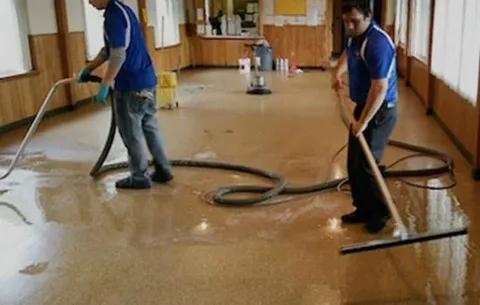
Mitigation categories and local suitability
Selecting the right drying strategy involves identifying the source of the moisture and the level of contamination present. Some materials respond well to simple air movement, while others require complete removal to keep the home safe. We suggest reviewing these common restoration categories to understand the scope of your specific situation.
| Category | Avg. Cost | Rating | Best For | Maintenance |
| Clean Water | Low | 5/5 | Pipe Bursts | Annual Checks |
| Grey Water | Moderate | 3/5 | Appliance Leaks | Hose Upgrades |
| Black Water | High | 1/5 | Sewage Backup | Backflow Valves |
| Surface Damp | Very Low | 4/5 | Humidity Control | Dehumidifiers |
Clean water spills are the easiest to manage and usually allow for the preservation of carpets if addressed within 24 hours. If the source involves soaps or chemicals, it falls into the grey water group, requiring more aggressive cleaning agents. You should consider how our high-altitude climate affects evaporation rates during the dehumidification phase.
The restoration process step by step
The first step includes an inspection with thermal imaging cameras to detect moisture hidden behind walls without having to cut through them. During this stage, we will be able to classify the liquid and find out what kind of materials can be restored. Our experts will pump water out of standing pools before beginning with the drying process.
We will employ air movers and high-efficiency LGR dehumidifiers to absorb moisture from both air and solid surfaces at once. Relative humidity levels will be checked daily to make sure the desired humidity level is reached. It is said by the Environmental Protection Agency (2023) that keeping relative humidity below 60% is the best way to prevent mold spores from growing in moist areas.
Disinfection of the area with special antimicrobial products will help prevent mold and bacterial growth in the future. Any structural restoration needed in your property – like removing wet insulation and putting up new baseboards – will be done during the final step, when a moisture clearance test will be performed.
Cost factors in the Littleton area
The cost involved in restoring your home will vary according to the square feet affected by water and the number of days required to dry. Wet hardwood floors will need special drying pads and take longer to dry than concrete floors. Companies like Viking Restoration can give clear estimates to assist you in working with your insurance adjuster effectively.
Permits will be needed in case the water damages your house enough to necessitate rebuilding or rewiring. The city building department in Littleton will check the local regulations to ensure the repair work complies with the Colorado Division of Fire Prevention and Control (2023). Proper handling of this process ensures the resale value of your property is not affected, and you continue to receive coverage for future occurrences.
Use of specialized tools such as HEPA scrubbers will raise the cost, but this is necessary in case the water is contaminated. You should consult your policy to see whether you have sewer backup coverage or flood coverage before an accident happens.
Choosing a knowledgeable local provider
Finding the best partner for emergency repairs involves assessing whether they have an IICRC certification and whether they are physically located in the same area as Chatfield Reservoir. If there is a specialist who knows about the uniqueness of the soil around Chatfield Reservoir, he can guide you on preventing the disaster.
Viking Restoration is a specialist that focuses on restoration projects in this area only, making him familiar with the local permitting system, the type of material needed for this area due to its low humidity, and trade insurance. Our specialists take pride in providing localized services. In emergencies, we always aim to minimize response time as much as possible because each moment counts.
Are you looking for the best team with experience in balancing speed and completeness? You can review the portfolio of the Best Emergency water removal Services in Littleton, CO to get an idea of their previous structural repairs. Trustworthy businesses will not mind sharing reviews written by locals with similar property issues.
Conclusion
Reacting quickly with Professional Emergency Water Removal in Littleton, CO is the only way to save your home from permanent structural decay. By understanding the different categories of moisture and following a professional drying process, you can protect your investment and family health. Selecting a specialized local team ensures your house follows all safety standards and stays within your budget.
If you are facing a leak or flood, reach out to Viking Restoration for a free assessment of your property. We can discuss your drying options and help you navigate the insurance paperwork for your specific situation. Recovering from property damage is a smooth experience when you have a knowledgeable local partner to guide every decision.
FAQs
What is the average price for water extraction in Littleton?
Most minor extraction projects range from $1,200 to $4,000 depending on the contamination level and equipment needs. Large-scale flooding involving black water or major structural repairs will increase the final bill. A homeowner should always check if their insurance policy covers the full cost of professional drying services.
How long does it take for a house to dry completely?
A typical residential drying cycle takes between three and five days once the standing liquid is removed. This timeline allows moisture to migrate out of wooden studs and subflooring into the air for collection by dehumidifiers. We use sensors to track this progress and confirm when the structure is dry.
Do I need a permit for water damage repairs in Littleton?
Minor drying and carpet replacement do not usually require permits, but structural changes or electrical work do. These local inspections ensure your repairs follow the safety and durability standards set by the city. We manage the documentation and inspection schedule for our clients during the rebuild phase.
Can water damage cause mold to grow in a dry climate?
Yes, mold can begin to grow within 24 to 48 hours in any damp environment regardless of the outdoor humidity. Our indoor heating and cooling systems create the perfect temperature for fungal growth if moisture remains trapped in walls. Using professional drying equipment is the only way to prevent these hidden air quality issues.
Which flooring materials are most resistant to water in Littleton?
Luxury vinyl plank and ceramic tile are the most resilient options for areas prone to moisture. These materials do not absorb liquid and can often be cleaned and sanitized without being replaced after a clean water spill. Choosing non-porous materials reduces the total cost of any future restoration needs.