

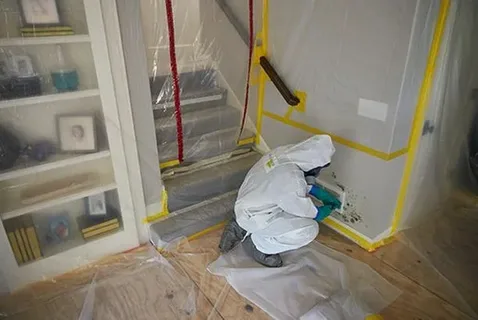
Mold doesn’t always announce itself with a black patch on the wall. Sometimes it’s a musty smell you only catch when you come back from vacation. Sometimes it’s a stuffed-up feeling that hits every time you walk into the basement bonus room. And in Castle Pines, where homes range from new builds in The Canyons to older properties tucked back against the bluffs, the mold often hides where you’d least think to look: inside the attic above the master bedroom, behind a finished basement wall, or under a slowly leaking kitchen sink. Most homeowners only start looking into serious mold mitigation services in Castle Pines, CO after a real estate inspection turns up a problem, a family member starts having unexplained allergy symptoms, or a small water event from a few months back finally shows itself. Viking Restoration has worked on enough Douglas County homes to know how to read those signs early and where Front Range moisture patterns tend to feed mold growth even in our otherwise dry climate.
A good mitigation job tackles more than the visible patch on the surface. The right work finds and fixes the source of moisture, contains the affected area so spores don’t spread, removes contaminated materials properly under IICRC standards, and verifies the air is clean before anyone signs off. The wrong contractor sprays bleach over a stain, charges you for it, and leaves the underlying problem to come back twice as bad by the next snowmelt. This guide walks you through what causes most mold issues at Front Range elevation, the mitigation options worth knowing about, what a proper remediation process looks like, the variables that shape pricing, and how to get a certified contractor before signing anything you’ll regret later.
Why Castle Pines homeowners deal with mold
Most people assume Colorado’s dry air keeps mold problems away. The reality looks different inside the building envelope. Bathrooms vent into attics instead of outside, ice dams force snowmelt under shingles, sprinkler systems spray foundations, and humidifiers running through January push indoor humidity well above the 60% threshold where mold colonies form. So when local owners search mold mitigation services in Castle Pines, CO, they’re usually reacting to a hidden moisture issue rather than obvious flooding.
The science backs the concern. According to the EPA, mold can begin growing on damp surfaces within 24 to 48 hours of water intrusion under suitable conditions. The Institute of Medicine has also linked indoor mold exposure to respiratory symptoms in sensitized people, especially children and the elderly. Neither risk waits for an obvious leak.
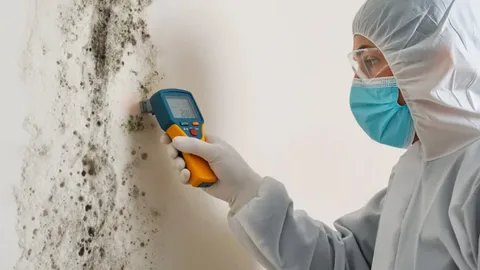
Have you noticed condensation forming on bedroom windows in January or February? That’s a sign of high indoor humidity from cooking, showering, and breathing combined with insufficient ventilation. Many Castle Pines homes built tight for energy efficiency need active mechanical ventilation to keep moisture moving out, and without it the moisture moves into wall cavities and attic spaces where mold finds a foothold.
Mold types and remediation scope options
Picking the right scope matters as much as picking the right contractor. Most quality mold mitigation services in Castle Pines, CO follow IICRC S520 classification, which sorts work into three levels based on affected square footage and contamination level. Knowing the basics helps you compare bids and understand why some jobs require full containment and others don’t.
Level 1 work covers small isolated areas under 10 square feet, like a corner of bathroom drywall or a single closet wall. Level 2 covers midsize areas between 10 and 100 square feet, where you’d typically see this in a partial basement or a section of attic sheathing. Level 3 covers contamination over 100 square feet or anywhere mold has entered the HVAC system, and these jobs require negative-air containment plus full PPE for workers.
Attic mold mitigation services in Castle Pines, CO often fall into Level 2 or 3 because plywood sheathing in poorly ventilated attics can show mold across large connected areas. Crawl spaces, finished basements, and bathroom assemblies make up the rest of the workload around the area. Each scope has different containment, removal, and verification steps that affect both timeline and cost.
| Remediation Level | Affected Area | Containment Needs | Common Locations |
| Level 1 | Under 10 sq ft | Small contained zone | Bathroom corners, closets |
| Level 2 | 10–100 sq ft | Full containment, negative air | Basement walls, attic sections |
| Level 3 | Over 100 sq ft | Full containment, decontamination | Whole attics, large basements |
| HVAC Involvement | Any size | Duct cleaning plus source removal | Air handler, ductwork, returns |
What the mold mitigation process actually looks like
Quality work follows the IICRC S520 reference standard, and skipping any step shows up later as cross-contamination, regrowth, or a failed clearance test. From the first moisture reading to the final air sample, Professional mold mitigation services in Castle Pines, CO stick to a documented process that protects both your home and the people living in it.
Inspection, testing, and containment setup
First, a certified technician walks the property with moisture meters, thermal imaging cameras, and visual inspection tools. They identify the affected areas, locate the moisture source, and recommend testing if visual identification isn’t enough. Pre-remediation air samples sometimes get pulled by an independent industrial hygienist, especially for real estate transactions or insurance claims.
Then containment goes up. Plastic sheeting seals the work zone, HEPA-filtered air scrubbers create negative pressure to keep spores from spreading, and decontamination chambers get built at entry points. As Michael Pinto, author of the textbook used by many IICRC training programs, has emphasized in industry publications, proper containment is what separates real mitigation from cosmetic cleanup that just spreads the problem to other parts of the house.
Removal, cleaning, and clearance verification
After containment, the actual removal begins. Porous materials like drywall, insulation, and carpet pad come out within the contained zone. Non-porous structural materials like framing get HEPA vacuum, wire brushed if needed, and treated with EPA-registered antimicrobial. Air scrubbers continue running throughout to filter airborne spores out of the work zone.
The cleaning phase wraps with a final HEPA vacuuming of every surface. Then comes the part too many cheap operators skip: clearance verification. Post-remediation air samples or visual inspections by an independent hygienist confirm the work succeeded before anyone tears down containment. Douglas County doesn’t issue a separate mold permit, but any structural repair or HVAC modification requires permits and inspections through the county building division.
Cost factors that shape your final estimate
Pricing isn’t a single number, and any company quoting you over the phone without seeing the property is guessing. Several variables move the bid up or down on every Castle Pines job, so knowing them helps you compare bids fairly across two or three written scopes for mold mitigation services in Castle Pines, CO.
Affected area tops the list. A bathroom corner under 10 square feet costs far less than full attic sheathing covering 800 square feet of plywood. Contamination level affects pricing too, since heavier visible growth requires more removal time, more antimicrobial, and more disposal volume than light surface staining.
Source identification and structural repairs
Source identification often drives unexpected costs. Roof leaks, plumbing failures, ice dam damage, and ventilation issues all need addressing before mitigation work is complete. Otherwise the mold comes back within months. Have you wondered whether your bath fan actually vents to the outside or just dumps into the attic? That common Castle Pines issue alone can drive thousands of dollars of Reliable attic mold mitigation services in Castle Pines, CO every few years until it’s fixed properly.
Testing, clearance, and structural rebuild
Testing adds line items too. Pre and post-remediation air sampling by an independent industrial hygienist runs separately from the remediation work itself, but it’s worth the cost when an insurance claim or real estate transaction is involved. Structural rebuild after removal also varies, since some homeowners want full restoration while others handle painting and trim themselves. Local companies like Viking Restoration that focus on mold mitigation services in Castle Pines, CO build those Front Range variables into a written estimate up front rather than springing surprises mid-project.
How to pick a mold contractor who’ll do it right
Following heavy snow melt during spring or hail storms during the summer, the mold remediation market gets crowded along the Front Range. Sometimes an out-of-area firm shows up to sell one-day mold removal treatment at an unusually low price. It’s a scam because they disappear when the regrowth happens. Finding a steady local restoration firm from the short-term operators is half the struggle when shopping for a mold mitigation firm in Castle Pines, CO.
Colorado doesn’t currently license mold remediators as a separate trade, so it is harder to vet them than other states. Look for IICRC certification in Applied Microbial Remediation (AMRT) and Water Damage Restoration on the technicians who will be on site, not just the owner. Check the company’s registration with the Colorado Secretary of State, too, and request current general liability and workers’ compensation certificates from the carrier directly.
Who runs the moisture inspection and writes the protocol? This is your first question. What is the extent of containment, is that HEPA-filtered negative air? Are clearance samples after remediation added costs? What is the cost of structural repair after removal? And what about the workmanship warranty regarding regrowth appearing in that first year?
A contractor that only does residential restoration work in Douglas County, like Viking Restoration, has dealt with local moisture patterns, knows which materials hold up against Front Range freeze-thaw cycles, and carries the trade-specific insurance which general handymen tend to skip out on. When a tender arrives suspiciously low, look at the scope carefully. Common shortcuts involve skipping containment, using bleach instead of EPA-registered antimicrobial, no clearance testing, vague source identification, and no documentation of moisture. Choose after getting matched three bids.
Conclusion
When correctly executed, a mold remediation job helps protect your residence, your indoor air quality and your family’s health for many years. Ensure you take the time to check IICRC certification on the technicians performing the work, request insurance certificates directly from the carrier, and compare three itemized bids on matched scope. Written documentation is critical when assessing a project’s containment details, source identification, antimicrobial choice, clearance testing, and warranty terms, since those line items dictate whether the microbe will stay gone for decades or return quickly within a season.
Reach out to Viking Restoration for a free site assessment of your home whenever you want to talk about your mold issue without any pressure. Our personnel will use moisture meters and thermal imaging in the affected areas to find the source. We will document our findings in the event you need to file an insurance claim, and prepare a written protocol tailored to your home, your timeline, and your budget so you can make the call with all the information you need and without any pressure at any point along the way.
FAQ’s
How long does it take to mitigate mold in Castle Pines, Colorado?
Most entry-level jobs are completed within one to two business days. Level 2 work takes three to five days depending on containment setup, amount of removal, and drying time. On-site sampling means that all construction has to stop when testing starts and for some time after. Reconstruction phase depends on scope, and runs separately.
Will I require a permit for mold removal in Castle Pines, CO?
Colorado does not need a separate mold remediation permit but Douglas County requires permits for any structural repair, electrical changes, or HVAC modifications involved in the project. A reputable contractor will pull the permits for the rebuild portion in their name and schedule inspection through the county building division.
What’s the typical price of mold remediation in Castle Pines, CO?
The price will depend on the amount of square footage affected, the level of contamination, whether containment will be needed, whether testing will be included and the scope of structural repairs. Obtain three itemized written estimates from IICRC-certified local contractors, with matching scopes. So, you can clearly see what a fair price is to fix damage to your home from that specific type of mold and how it got there.
How durable are mold remediation repairs in the Colorado climate?
High-quality remediation which includes proper repair of the source will hold up to future regrowth indefinitely. Colorado’s dry weather is helpful because mold requires constant moisture to grow. According to the expert who created the lecture noted above, January ice dam leaks, bath fans venting into attics and humidifiers running too high in winter are the key culprits. Address those factors and the repair will stay sound for decades.
Will my homeowner’s insurance cover mold removal in Castle Pines, CO?
Mold occurs when water flows into parts of the home that aren’t covered for loss. Coverage for mold damage under most Colorado policies is capped at a sublimit. Problems associated with slow leaks, long-term humidity and maintenance are unlikely to be covered. Before assuming that the carrier will pay, verify coverage with your policy and adjuster.
How long does it take to mitigate mold in Castle Pines, Colorado?
Most entry-level jobs are completed within one to two business days. Level 2 work takes three to five days depending on containment setup, amount of removal, and drying time. On-site sampling means that all construction has to stop when testing starts and for some time after. Reconstruction phase depends on scope, and runs separately.
Will I require a permit for mold removal in Castle Pines, CO?
Colorado does not need a separate mold remediation permit but Douglas County requires permits for any structural repair, electrical changes, or HVAC modifications involved in the project. A reputable contractor will pull the permits for the rebuild portion in their name and schedule inspection through the county building division.
What’s the typical price of mold remediation in Castle Pines, CO?
The price will depend on the amount of square footage affected, the level of contamination, whether containment will be needed, whether testing will be included and the scope of structural repairs. Obtain three itemized written estimates from IICRC-certified local contractors, with matching scopes. So, you can clearly see what a fair price is to fix damage to your home from that specific type of mold and how it got there.
How durable are mold remediation repairs in the Colorado climate?
High-quality remediation which includes proper repair of the source will hold up to future regrowth indefinitely. Colorado’s dry weather is helpful because mold requires constant moisture to grow. According to the expert who created the lecture noted above, January ice dam leaks, bath fans venting into attics and humidifiers running too high in winter are the key culprits. Address those factors and the repair will stay sound for decades.
Will my homeowner’s insurance cover mold removal in Castle Pines, CO?
Mold occurs when water flows into parts of the home that aren’t covered for loss. Coverage for mold damage under most Colorado policies is capped at a sublimit. Problems associated with slow leaks, long-term humidity and maintenance are unlikely to be covered. Before assuming that the carrier will pay, verify coverage with your policy and adjuster.